
Insights on L&D, Grants, and Workplace Learning

One of the biggest mistakes organizations make isn't creating poor training—it's creating good training and never looking at it again. Business changes. Technology evolves. Processes improve. Customer expectations shift. Employees gain new skills. Yet many training programs remain exactly the same year after year. Training should never be treated as a one-time project. It should be viewed as a living resource that grows alongside your organization. Why Training Becomes Outdated Even well-designed training can lose its effectiveness over time. Consider what may have changed since a course was first created: New software or technology has been introduced. Company policies or procedures have changed. Customer expectations have evolved. Regulatory requirements have been updated. Roles and responsibilities have shifted. Learners now have different backgrounds, experiences, or skill levels. When training doesn't keep pace with these changes, employees spend valuable time learning information that is incomplete—or worse, incorrect. Let Data Tell the Story One of the best ways to determine whether training still works is to collect evidence. Ask questions such as: Are employees applying what they learned? Are managers seeing improved performance? Have error rates decreased? Are productivity or quality metrics improving? What questions are employees still asking after training? Which parts of the training seem confusing or unnecessary? Learning analytics, surveys, manager feedback, assessments, observations, and business performance metrics all provide valuable clues about what should stay—and what should change. Talk to Your Learners The people taking the training often know exactly where improvements are needed. Instead of only asking, "Did you like the course?" ask questions that uncover meaningful insights: What helped you most? What wasn't relevant to your job? What examples felt realistic? What would you remove? What additional information would have helped you perform your work? These conversations often reveal small adjustments that can make a significant difference. Review Your Content Regularly Create a schedule for reviewing training rather than waiting until something breaks. Many organizations review key learning programs every 6 to 12 months. Others build reviews into annual planning or major process changes. During each review, examine: Learning objectives Procedures and workflows Screenshots and demonstrations Job aids and reference materials Activities and scenarios Assessments Resource links Accessibility and usability Sometimes only minor updates are needed. Other times, the training may need a complete redesign. Use AI as Your Review Partner Artificial intelligence can dramatically reduce the time required to evaluate existing training. AI can help you: Identify outdated terminology or references. Compare training content against updated procedures. Generate new scenarios and case studies. Rewrite content for clarity. Suggest interactive activities. Create assessment questions. Adjust content for different experience levels. Check reading level and accessibility. But remember—AI should support your expertise, not replace it. Always review AI-generated recommendations to ensure they reflect your organization's processes, culture, compliance requirements, and learning goals. Keep Training Learner-Centered When updating training, don't simply add more content. Ask yourself: Does this information help learners perform their jobs? Is it immediately applicable? Can learners practice what they're learning? Are we solving a real performance problem? Every addition should have a clear purpose. If something no longer adds value, consider removing it. Sometimes making training shorter is actually an improvement. Continuous Improvement Builds Better Learning The most effective learning organizations treat training the same way they treat any other business process: they continuously improve it. Small updates made consistently are far easier than waiting years and rebuilding everything from scratch. Relevant training leads to: More confident employees Faster onboarding Better performance Higher engagement Fewer mistakes Stronger business results Training isn't finished the day it's launched. That's simply the beginning. The best learning programs evolve because the organizations behind them never stop learning either.

Here's another installment of the practical improvement series. Adriana's question to Melissa: How can we know which type of training is better or more effective for each employee? The short answer? We don't—at least not by making assumptions. Too often, organizations adopt a single training method and expect it to work for everyone. Maybe it's a long eLearning module, a classroom presentation, a series of videos, or on-the-job shadowing. While each of these approaches has value, none of them is universally effective. The most successful learning and development strategies begin with a different question: What does this employee need in order to be successful? When we shift our thinking from delivering training to supporting learning, we create experiences that are more engaging, more inclusive, and ultimately more effective. There Is No "Best" Training Method Every employee brings something different to the workplace: Previous experience Existing knowledge Confidence levels Learning preferences Job responsibilities Career goals A new hire may need foundational instruction and guided practice, while an experienced employee may benefit more from coaching or stretch assignments. Someone learning a new software program may need hands-on practice, while another employee might prefer to review a quick reference guide after a short demonstration. Neither approach is wrong. The key is selecting the right strategy for the learner and the task. A Learner-Centered Approach Learner-centered training places the employee—not the content—at the center of the design process. Instead of asking: "What information do we need to cover?" Ask: What does this employee need to accomplish? What barriers might they face? What support will help them succeed? How can they practice applying what they've learned? This approach creates training that is more relevant, more engaging, and easier to transfer to the workplace. Employees are much more likely to retain knowledge when they understand why it matters and have opportunities to use it in meaningful ways. Universal Design for Learning (UDL) One framework that supports learner-centered design is Universal Design for Learning (UDL). Rather than creating separate training for different learners, UDL encourages us to build flexibility into the learning experience from the beginning. The framework is built around three principles: Multiple Ways to Engage People are motivated by different things. Some employees enjoy solving problems independently. Others prefer collaboration or real-world case studies. Providing different ways to participate helps maintain engagement across a diverse workforce. Multiple Ways to Learn Not everyone learns best by reading slides. Consider offering information through several formats, such as: Short videos Demonstrations Job aids Interactive discussions Simulations Hands-on activities Coaching conversations Providing options helps learners connect with the material in ways that work for them. Multiple Ways to Demonstrate Learning Traditional quizzes aren't the only way to determine whether someone has learned. Employees may demonstrate mastery by: Performing a task Explaining a process Solving a realistic scenario Teaching another employee Completing a project Participating in role-play The goal is to measure performance—not simply memory. Use Data Instead of Assumptions One of the biggest mistakes organizations make is assuming they know what employees need. Instead, gather evidence. Look at information such as: Performance metrics Quality data Customer feedback Manager observations Employee self-assessments Training evaluations Skill assessments These data points help identify where learning is needed—and where other solutions, such as process improvements or coaching, may be more appropriate. Remember, not every performance issue is a training issue. Professional Development Plans Make Training Personal One of the most effective ways to individualize learning is through professional development plans. Rather than assigning identical training to everyone, development plans help align learning with an employee's current role, future goals, and organizational needs. An effective professional development plan may include: Required compliance training Technical skill development Leadership growth Cross-training opportunities Mentoring or coaching Stretch assignments Conferences or workshops Certifications Self-directed learning When employees can see how learning connects to their own goals, motivation often increases. Professional development becomes something employees invest in—not simply something they complete. Don't Forget to Ask Employees Sometimes the simplest strategy is the most effective. Ask employees questions like: What helped you learn this task? What training has been most valuable for you? Where do you still feel uncertain? How do you prefer to practice new skills? What resources would help you perform your job more effectively? Employees often provide insights that data alone cannot reveal. Listening to learners is one of the most powerful tools available to learning professionals. Bringing It All Together The goal isn't to find one training method that works for everyone. The goal is to create learning experiences that are flexible enough to meet people where they are while helping them grow. A learner-centered approach, supported by Universal Design for Learning and guided by thoughtful professional development planning, allows organizations to create training that is more inclusive, more engaging, and more effective. When we stop asking, "What's the best training?" and start asking, "What's the best learning experience for this employee?" we shift the focus from delivering content to developing people. And that's where meaningful learning—and lasting performance improvement—begins.

Melissa’s questions to Adriana: What are the main tools of Lean? In Episode # 3 of this Series, we talked about some of the most important aspects of the process. We dived deeper into the process that is actually happening, and how it often differs from the one that has been deployed. We revealed some of the reasons why this happens, and we promised to uncover what we can do to curb these wasteful practices in our processes. The question Melissa asked me this time will be our spring board to get into the actionable and practical tools of Lean/Continuous Improvement for problem solving within the process. First, I want to re-emphasize the following, People are doing the best they can. I know. It sounds like a contradiction. If people are already doing the best they can, why then are there inefficiencies that can be improved? Let me elaborate this statement. People are doing the best they can with… The Tools The Training The Motivation The Knowledge The Beliefs The Experience The Responses to the Environment The Processes They have. (And many other factors.) That is why empowering people with the Lean/Continuous Improvement Tools is so important. It allows people to do the best they can at a higher level - every time. Now, without more preamble, let’s go deeper. Remember the Shadow Processes (Workarounds & Shortcuts)? People might be skipping a step or two, doing fixes on the fly without documenting them, or relying on tribal knowledge. The Lean Solution: - Go to Gemba. Gemba is a Japanese word that means “The Real Place”. Gemba is where the actual value is created, where the work is done. Without doing this, we cannot see what is really happening in the process, and problems will be detected when they have already become bigger. - Map the Real Process with Current State Value Stream Mapping (VSM) Value Stream Mapping or VSM is a powerhouse tool of the Lean/Continuous Improvement Methodology. It brings visibility into what the real process looks like, not the assumed one. More importantly, it also uncovers the Wastes that are happening in the steps of the process. With this valuable information, we can use other Lean/CI Tools to solve costly problems in the process. What about the Emotional Undercurrents (Fear & Blame) problem? This issue deserves a lot of attention if we are to get anywhere trying to solve the other ones. After all, what we are trying to do with Lean/CI is to build Empowered Problem Solvers who use the tools to eliminate waste, improve efficiency and effectiveness in the operation, and enhance the value to the customer. The symptoms are clear: silence in meetings, problems are not raised, and remain hidden; when something goes wrong, there is blame, and managers believe that "people should know” because they were told once . The Lean Solution: -Build Psychological Safety. The lack of Psychological Safety is one of the most costly mistakes that organizations make. It creates a disconnect that leads to high turnovers, it diverts people’s valuable resources to feeling safe and not use them for innovation and improvement, and it seeps away productivity, promoting quiet quitting. When the culture of an organization normalizes the concept of “Problems as Opportunities for Improvement” and managers walk the talk by removing the blame game/ finger pointing/ negative reinforcement cycle, people are encouraged to bring up issues earlier, which leads to faster improvement and less cost. Change the course of action by focusing on the process, not on the people. Ask the question, What in the process is causing this issue? Practicing the Lean Principle Respect for People is the shortest and most effective path to empower your teams to become owners of their processes and overcome the Fear and Blame problem. Once people are willing to come to you with problems because you have built trust and respect that goes beyond the surface, you can use Lean/CI Tools such as Daily Lean Huddles, Root Cause Analysis with the Team, (Fishbone Diagram/ 5 Whys) to solve problems more effectively. Remember, whatever we do in our processes, the main objective is serving the human so their value can be realized in better ways, using less of their valuable resources, and nurturing their accountability for their processes, because they have become the owners, not merely the operators of their processes. It all pays off in very measurable, [less waste = more profit $$], and less tangible ways, [people stay and give more of their value, willingly]. In the following episodes, we can start unfolding each tool and show about their implementation. Be Well & Joyful. 😊 Adriana C. Torres

Learning objectives are one of the most important — and most overlooked — parts of training design. They shape: What content gets included How training is structured How success is measured What learners actually walk away with But writing strong learning objectives can be surprisingly difficult. Many end up too broad, too vague, or disconnected from the actual goals of the training. The good news? AI tools can absolutely help speed up the process. The important part is remembering this: AI should support instructional thinking — not replace it. Why Learning Objectives Matter Clear learning objectives create focus for both the designer and the learner. Without them, training often becomes: Information-heavy Difficult to measure Less engaging Harder to apply on the job Strong objectives help answer critical questions: What should learners know? What should they be able to do? How will success be measured? Good objectives also make it easier to: Build relevant activities Design assessments Align training to business goals Eliminate unnecessary content Simply put: if the objectives are unclear, the training usually is too. Tips for Writing Strong Learning Objectives 1. Focus on Observable Actions One of the most common mistakes is using vague verbs like: Understand Learn Know Become familiar with These are difficult to measure because you cannot directly observe them. Instead, use action-oriented verbs such as: Identify Analyze Demonstrate Apply Create Evaluate Explain For example: ❌ “Learners will understand customer service principles.” ✔️ “Learners will demonstrate effective customer service techniques during client interactions.” The second objective clearly describes what success looks like. 2. Keep the Learner at the Center Learning objectives should focus on what the learner will do — not what the trainer will cover. Instead of: ❌ “This training will review safety procedures.” Try: ✔️ “Learners will correctly apply workplace safety procedures in common scenarios.” This small shift creates more learner-centered training and improves alignment between instruction and outcomes. 3. Make Objectives Realistic and Relevant Good objectives reflect actual workplace performance. Ask yourself: What does success look like on the job? What skills are truly necessary? What behaviors should change after training? If an objective doesn’t connect to real-world application, learners will often struggle to see the value in the training. 4. Avoid Trying to Cover Too Much Not every training needs ten objectives. Sometimes fewer, more focused objectives create stronger learning experiences than long lists of broad outcomes. When objectives become overloaded, training often becomes overloaded too. Clear and focused objectives help prioritize what matters most. 5. Use AI as a Starting Point — Not the Final Answer AI can be incredibly useful for: Brainstorming objectives Rewording vague statements Aligning objectives to Bloom’s Taxonomy Creating measurable action verbs Generating drafts quickly But this is where instructional designers, trainers, and subject matter experts still play a critical role. AI does not fully understand: Your learners Your organization Your workflows Your business goals Your culture The nuance of the job itself That means AI-generated objectives should always be reviewed carefully. Questions to Ask When Reviewing AI-Generated Objectives Does this align with actual learner needs? Is the language realistic for the audience? Can this truly be measured? Does it support workplace performance? Is the scope appropriate for the training length? Is the wording clear and specific? AI can help accelerate the process, but thoughtful human review is what makes learning objectives meaningful and effective. Human-Centered Learning Still Matters As AI becomes more integrated into learning and development, it’s important not to lose sight of the human side of training design. Effective learning objectives are not just technically correct. They should also support: Confidence Clarity Accessibility Relevance Real-world application The goal is not to create objectives that simply sound professional. The goal is to create objectives that genuinely help people learn and succeed. Final Thoughts Strong learning objectives create the foundation for effective training. They guide content, activities, assessments, and learner expectations while keeping training focused on outcomes instead of information overload. AI can absolutely help streamline the process — and it’s becoming a valuable tool for instructional designers and trainers. But the best learning objectives still require human judgment, context, and intentional design. Because at the end of the day, great training starts with understanding people — not just generating content.

Too often, training development starts the same way: Someone gathers slides, documents, policies, and procedures and begins building content around them. The result? Training that feels overwhelming, disconnected, and difficult for learners to apply in real-world situations. This is where backward design changes everything. What Is Backward Design? Backward design is an instructional design approach that starts with the end goal first. Instead of beginning with content, you begin by identifying: What learners should know What learners should be able to do How success will be measured Only after defining those outcomes do you build the actual training materials, activities, and assessments. In simple terms: Start with the destination before planning the route. Why This Matters in Workplace Learning Many workplace training programs fail because they focus on information delivery rather than learner outcomes. Employees don’t necessarily need more information. They need clarity, relevance, and confidence in applying what they learn. Backward design helps organizations create training that is: More Learner-Centered The focus shifts from: “What do we want to tell people?” To: “What do learners need in order to succeed?” This creates training that feels more practical, relevant, and engaging. More Strategic Backward design aligns learning objectives with actual business goals. For example: Improving customer service Increasing compliance accuracy Supporting leadership transitions Reducing onboarding time Standardizing processes Every part of the training supports a measurable outcome. More Effective When training is intentionally designed around outcomes: Learners retain information better Practice activities become more meaningful Assessments measure real understanding Employees are more likely to apply skills on the job Instead of simply completing training, learners build capability. The Three Core Steps of Backward Design 1. Identify Desired Outcomes Ask: What should learners know? What should they be able to do? What behaviors or performance changes should happen afterward? This step creates clear learning objectives and keeps the training focused. 2. Determine Evidence of Success Before building content, define: How will learning be measured? What would successful application look like? What evidence shows learners understand the material? This could include: Scenarios Simulations Role-playing Assessments Demonstrations Practical application activities 3. Build the Learning Experience Only after outcomes and assessments are clear should content creation begin. At this stage, instructional materials become more intentional because every activity supports a defined goal. This prevents: Content overload Unnecessary information Disconnected activities “Check-the-box” training Backward Design and Human-Centered Learning Backward design naturally supports a human-centered approach to learning because it prioritizes the learner experience. It encourages organizations to think about: Real-world application Accessibility Engagement Relevance Cognitive load Different learning needs and experience levels The goal becomes helping people succeed — not simply delivering information. Final Thoughts The best training programs are not the ones with the most slides or the longest courses. They are the ones designed with intention. Backward design helps organizations create learning experiences that are: Focused Strategic Practical Learner-centered Results-driven Because effective training should do more than transfer knowledge. It should build confidence, clarity, and capability.

Artificial Intelligence is changing the way organizations approach training and development—and honestly, the potential is exciting. AI can help teams move faster, organize information more efficiently, identify skill gaps, and even assist in creating learning materials in a fraction of the time it used to take. But while AI can generate content quickly, effective training is still deeply human. The organizations seeing the most success aren’t using AI to replace people. They’re using it as a tool to support people. AI as a Support Tool in Training & Development One of the biggest challenges in training is not just creating content—it’s creating the right content. Many companies struggle with: Inconsistent onboarding Tribal knowledge that lives only in employees’ heads Missing documentation Unclear processes Training materials that are outdated or overwhelming Teams unsure of what training is actually needed This is where AI can become incredibly valuable. AI can help: Organize large amounts of information Identify gaps in documentation Create outlines and first drafts for training materials Build role-based learning paths Suggest structure for onboarding programs Streamline SOP and process documentation Analyze trends in team development needs Instead of starting from scratch every time, teams can use AI to create momentum and structure. But the human-centered piece is what makes the training meaningful. Human-Centered AI Means Designing for Real People Good training is not just about delivering information. It’s about helping people feel confident, supported, and capable in their roles. That requires empathy, context, and understanding—things AI alone cannot fully provide. A human-centered approach to AI in training means asking questions like: Does this training actually make sense for the people doing the work? Is the language clear and accessible? Are we considering different learning styles? Does the process support employees or overwhelm them? Are we building systems that are inclusive and practical? Are we creating documentation that people will actually use? AI can help generate a framework. Humans bring the judgment, experience, and emotional intelligence to refine it. Building Better Team Structures with AI Another major opportunity is using AI to create better organizational clarity. Many businesses operate reactively when it comes to training: Someone leaves, and no one knows the process A new hire starts, but onboarding varies depending on who trains them Teams grow quickly without clear documentation Managers assume employees know things that were never formally taught AI can help businesses step back and create structure. For example, organizations can use AI to: Map out team responsibilities Identify where knowledge gaps exist Build standardized workflows Develop role-specific training checklists Create scalable onboarding systems Organize scattered knowledge into centralized resources When paired with thoughtful leadership and real employee input, this creates a more consistent and supportive experience for everyone involved. Ethical & Inclusive Use Matters As AI becomes more integrated into workplace learning, ethical and inclusive thinking becomes even more important. Human-centered AI means: Reviewing AI-generated content for bias Ensuring training reflects diverse perspectives and experiences Protecting employee privacy and sensitive information Avoiding over-reliance on automation Making training accessible to different abilities and learning preferences Just because AI can generate something quickly doesn’t mean it should go unchecked. The goal should never be efficiency at the expense of people. The Future of Training Is Collaborative The future of training and development is not AI versus humans. It’s AI with humans. The strongest organizations will use AI to reduce administrative burden, improve organization, and create scalable systems—while still prioritizing human connection, thoughtful leadership, and employee experience. Because people don’t just need information. They need clarity. They need support. They need systems that help them succeed. And that’s where human-centered AI has the greatest impact.

There’s a moment in every business transition that doesn’t get talked about enough. It’s not the signing of the papers. It’s not the announcement of new ownership. It’s the quiet space in between—where uncertainty lives. Processes aren’t fully documented. Key knowledge lives in someone’s head. Teams are unsure what stays the same… and what changes. And that’s where things can either fall apart—or come together. The Hidden Risk in Business Transitions Most transitions focus on the visible pieces: Financials Legal agreements Ownership structures But what often gets overlooked is what actually keeps the business running day-to-day: how things work. The workflows. The decision-making patterns. The “this is how we’ve always done it” knowledge that no one has written down. Without that clarity, even the strongest businesses can struggle under new ownership—not because the new owners aren’t capable, but because they’re stepping into a system that hasn’t been clearly defined. Clarity Creates Confidence A smooth transition doesn’t happen by accident. It happens when there’s intentional effort to capture and transfer knowledge in a way that makes sense to the next person stepping in. That’s where structure matters. When processes are: Clearly documented Organized in a way people can actually use Supported with practical systems You don’t just preserve the business—you strengthen it. New owners can lead with confidence. Teams feel more secure and supported. Operations continue without unnecessary disruption. A Simple Framework That Works At the heart of a successful transition is a straightforward, but powerful approach: Capture → Organize → Implement → Empower Capture Identify and document the key processes, workflows, and institutional knowledge that keep things moving. Organize Turn that information into clear, consistent documentation that’s easy to understand and follow—not buried in files no one will open. Implement Put systems in place so the documentation isn’t just theoretical—it’s part of how the business actually operates. Empower Give new owners and teams the clarity and confidence they need to move forward successfully. This Isn’t Just About Transition—It’s About Legacy If you’re stepping away from a business you’ve built, you’re not just handing over operations—you’re handing over years of experience, decisions, and growth. And if you’re stepping into a new role as an owner or leader, you’re not just taking over—you’re building on what already exists. Done right, a transition doesn’t feel like an ending. It feels like continuity. Like momentum. Like the next chapter starting on solid ground. From Transition to Transformation The goal isn’t just to “get through” a transition. It’s to come out stronger on the other side—with: Well-documented processes A smoother operational flow Confident leadership And a business that’s set up for long-term success Because when you create clarity, you don’t just support change—you transform it into opportunity.

Adriana’s Question to Melissa: I love to debunk myths. What are the most common myths that you find organizations believe about Training? If there’s one thing I hear consistently when talking with organizations about Learning & Development, it’s this: “Training sounds great… but is it really necessary?” Closely followed by: “It’s just too expensive—both in cost and time.” These beliefs are more common than you might think. And while they may feel practical on the surface, they’re often rooted in outdated assumptions that can quietly hold organizations back. Let’s unpack a few of the most common myths about training—and what’s actually true. Myth #1: “People Should Already Know How to Do Their Jobs” This one comes up a lot. There’s an expectation that employees should arrive fully equipped with every skill they’ll ever need. But work doesn’t stand still—and neither do the skills required to do it well. Roles evolve. Technology changes. Customer expectations shift. Internal processes get more complex. Training isn’t about fixing a gap—it’s about keeping pace with change. Organizations that rely solely on “hire for skill” without investing in development often find themselves dealing with: Inconsistent performance Frustrated employees Increased turnover The reality? The most successful organizations don’t assume people already know everything—they build environments where people can continuously learn. Myth #2: “Training Is Too Expensive” On paper, training can look like a cost: Program fees Time away from daily work Resource allocation But here’s the part that often gets overlooked: the cost of not training. What does it cost when: Employees make avoidable mistakes? Productivity slows due to unclear processes? Managers spend extra time correcting or re-teaching? High performers leave because they don’t feel invested in? Training isn’t just an expense—it’s a lever for: Efficiency Retention Engagement Performance When done strategically, training pays for itself—often faster than expected. Myth #3: “Training Is a One-Time Event” A workshop. A webinar. A single onboarding session. Check the box, and you’re done… right? Not quite. Real learning doesn’t happen in a single moment—it happens over time, through reinforcement, application, and reflection. Without follow-up, most training is forgotten within days. Effective L&D strategies focus on: Ongoing learning experiences Practical application on the job Reinforcement over time Because training isn’t an event—it’s a process. Myth #4: “If It’s Not Immediate, It’s Not Valuable” Some leaders expect instant results from training: “Did performance improve this week?” But not all impact is immediate—and that doesn’t mean it isn’t meaningful. Training often builds: Better decision-making Stronger communication Increased confidence Long-term leadership capability These are the kinds of outcomes that compound over time. The organizations that win aren’t just focused on quick fixes—they invest in sustainable growth. Myth #5: “Training Is HR’s Responsibility” Learning & Development is often seen as something that sits solely within HR. But the most effective training cultures don’t work that way. They are: Supported by leadership Reinforced by managers Embedded into everyday work When training is treated as a shared responsibility, it becomes part of how the organization operates—not just an occasional initiative. So What’s the Reality? Training isn’t a luxury. It’s not a distraction from “real work.” And it’s definitely not optional if you want to grow. It’s a strategic tool that, when done right, drives performance, strengthens teams, and prepares organizations for what’s next. The real question isn’t: “Can we afford to invest in training?” It’s: “Can we afford not to?”
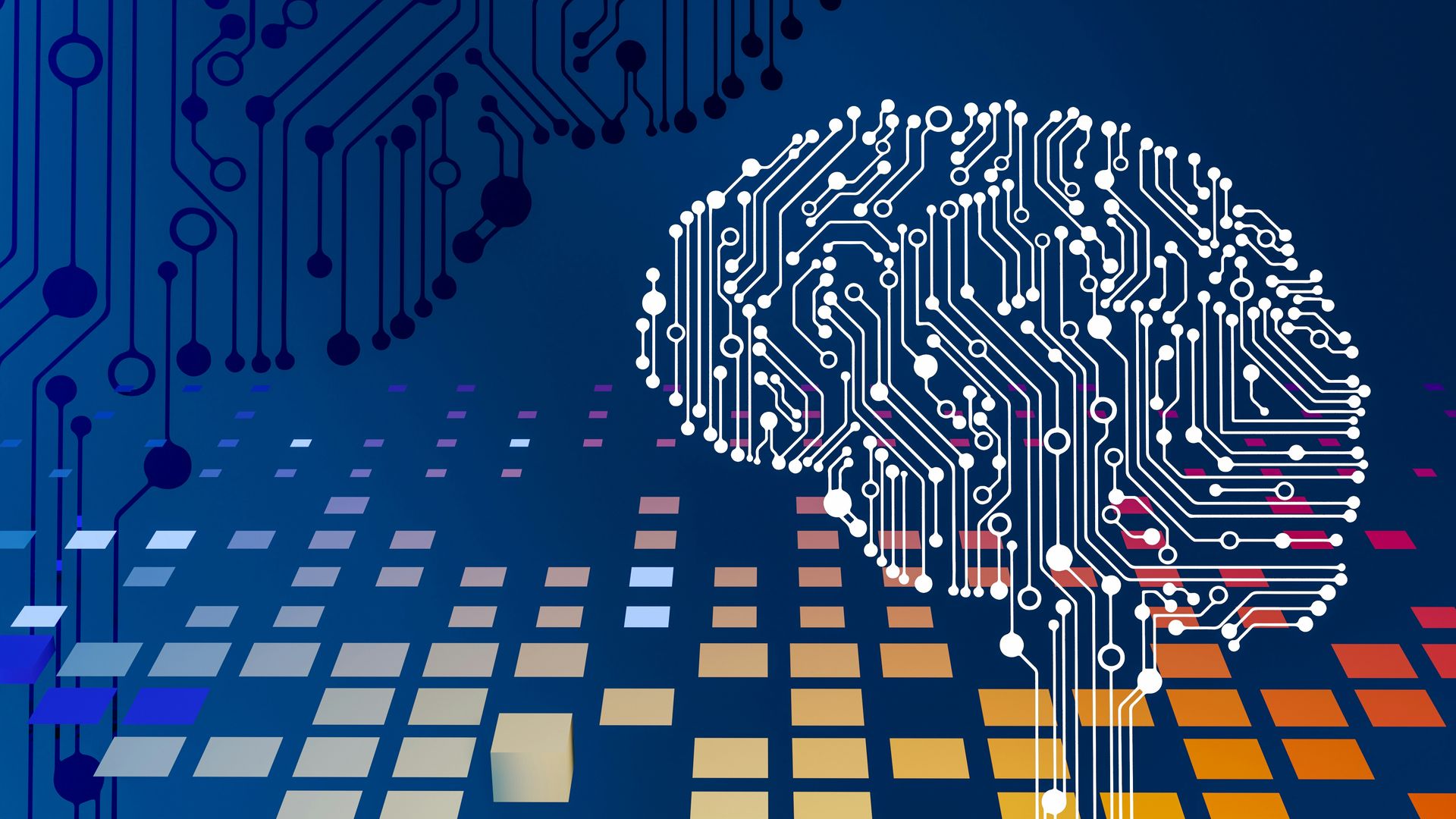
When people think about AI in Learning & Development (L&D), the first thing that usually comes to mind is content creation—writing courses faster, generating quizzes, or building slide decks. That’s helpful… but it’s just scratching the surface. AI isn’t just a content generator. Used well, it becomes a thinking partner, a coach, a data analyst, and a personalization engine—all rolled into one. The real opportunity isn’t just doing L&D faster—it’s doing it better, more targeted, and more impactful. Here are some practical, high-value ways to use AI to support learning and development—beyond just building content. 1. Personalized Learning Paths (Without the Manual Work) Not every employee needs the same training—but building customized paths for everyone is time-consuming. AI can analyze roles, skill levels, performance data, and even career goals to recommend tailored learning journeys. Instead of one-size-fits-all training, employees get what’s actually relevant to them. Why it matters: More relevance = higher engagement and better retention. 2. AI as a Practice Partner Imagine employees being able to practice real-world scenarios anytime—without needing a manager or trainer present. AI can simulate: Difficult customer conversations Sales pitches Performance reviews Leadership challenges And provide immediate feedback. Why it matters: People learn best by doing—not just watching or reading. 3. Turning Data Into Actionable Insights Most organizations already have L&D data… they just don’t use it effectively. AI can help you: Identify skill gaps across teams Spot trends in training completion and performance Predict where additional support is needed Connect learning to business outcomes Why it matters: You move from guessing what training is needed to knowing. 4. Just-in-Time Learning Support Employees don’t always need a full course—they need quick answers in the moment. AI can act as an on-demand support tool: “How do I handle this situation?” “What’s the next step in this process?” “Can you summarize this policy?” Instead of searching through documents or waiting for help, they get instant guidance. Why it matters: Learning happens in the flow of work—not just in formal training sessions. 5. Smarter Coaching and Feedback Managers want to coach—but often don’t have the time or structure to do it consistently. AI can help by: Suggesting coaching questions Analyzing performance or communication patterns Providing frameworks for feedback conversations Helping managers prepare for 1:1s Why it matters: Better coaching leads to stronger teams—and AI helps make it more consistent. 6. Rapid Skill Gap Assessments Instead of lengthy assessments, AI can quickly evaluate knowledge and skills through: Adaptive questioning Scenario-based prompts Analysis of real work outputs This helps organizations understand where people actually are—without slowing them down. Why it matters: You can target development where it’s truly needed. 7. Repurposing Existing Content (Without Starting Over) Most organizations already have a ton of content—it’s just underused. AI can quickly: Turn long trainings into microlearning Convert webinars into job aids Summarize key takeaways Create reinforcement materials Why it matters: You maximize what you already have instead of constantly reinventing the wheel. 8. Supporting Knowledge Retention (Not Just Completion) Completion doesn’t equal learning—we all know that. AI can reinforce learning over time through: Spaced repetition Quick knowledge checks Follow-up prompts and reminders Personalized refreshers Why it matters: It helps learning stick, not just check a box. A Quick Reality Check AI isn’t here to replace L&D professionals. It’s here to remove friction—so you can focus on what actually matters: Strategy Human connection Culture Meaningful learning experiences The organizations seeing the most success aren’t just using AI to move faster—they’re using it to be more intentional. The Bottom Line If you’re only using AI to create training content, you’re missing the bigger opportunity. Think of AI as: A coach A guide A data translator A personalization tool Because when used thoughtfully, AI doesn’t just support learning—it transforms how learning happens.